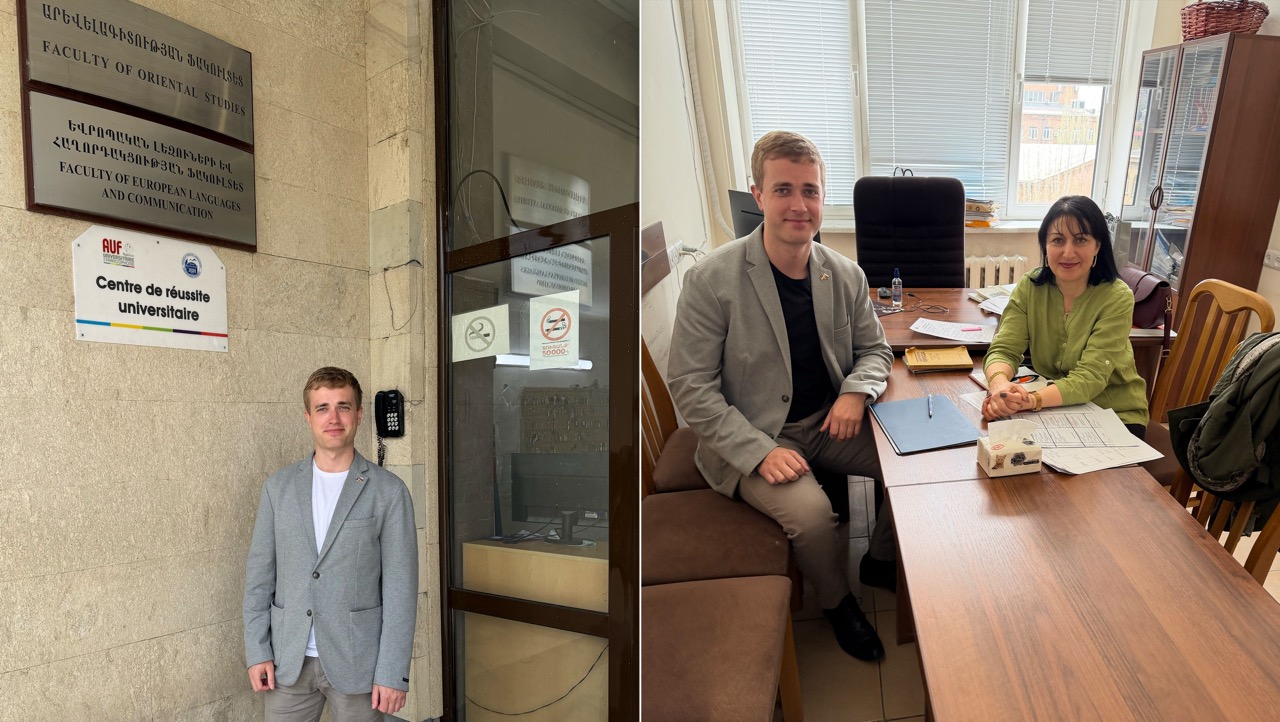
From April 17–21, 2026, Dr. Filip Kalaš participated in an Erasmus+ teaching mobility program at the Faculty of European Languages and Communication at Yerevan State University in Armenia.
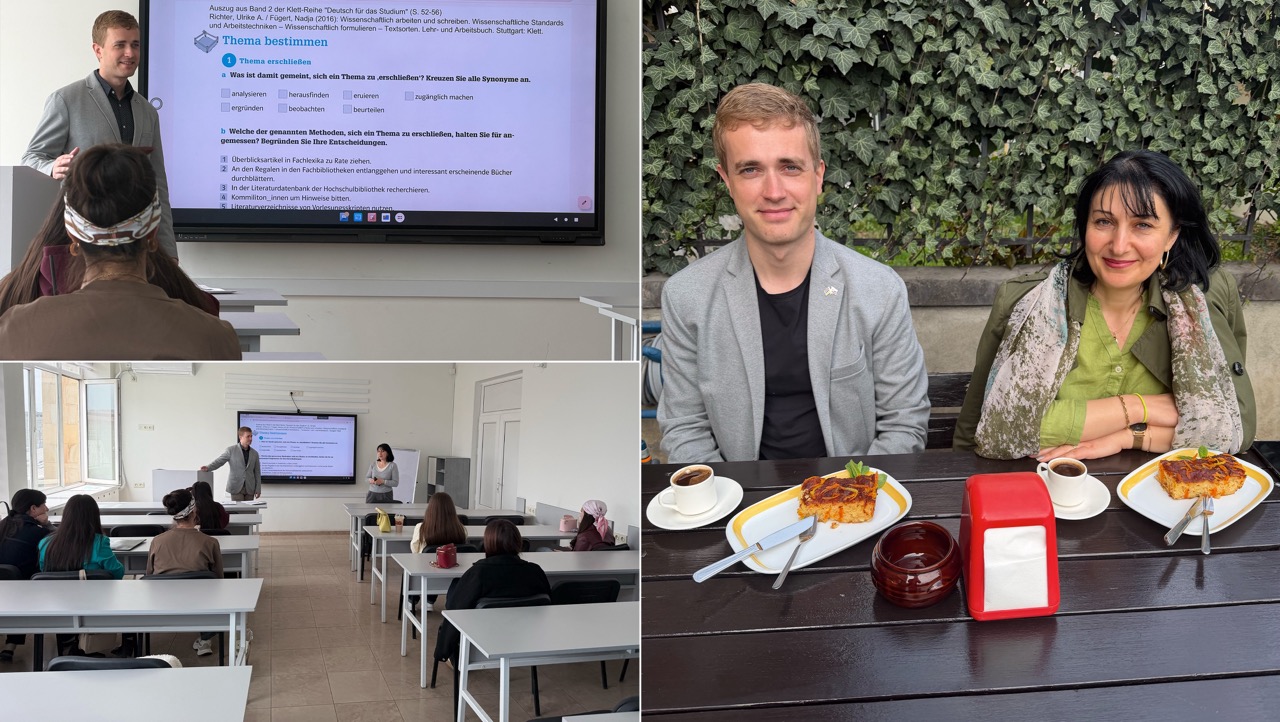
During his stay, he conducted a series of seminars titled "Wissenschaftssprache Deutsch", designed for both undergraduate and graduate students. The lectures focused on the specific features of German as a language of science, academic style, and its practical application in professional and research settings.
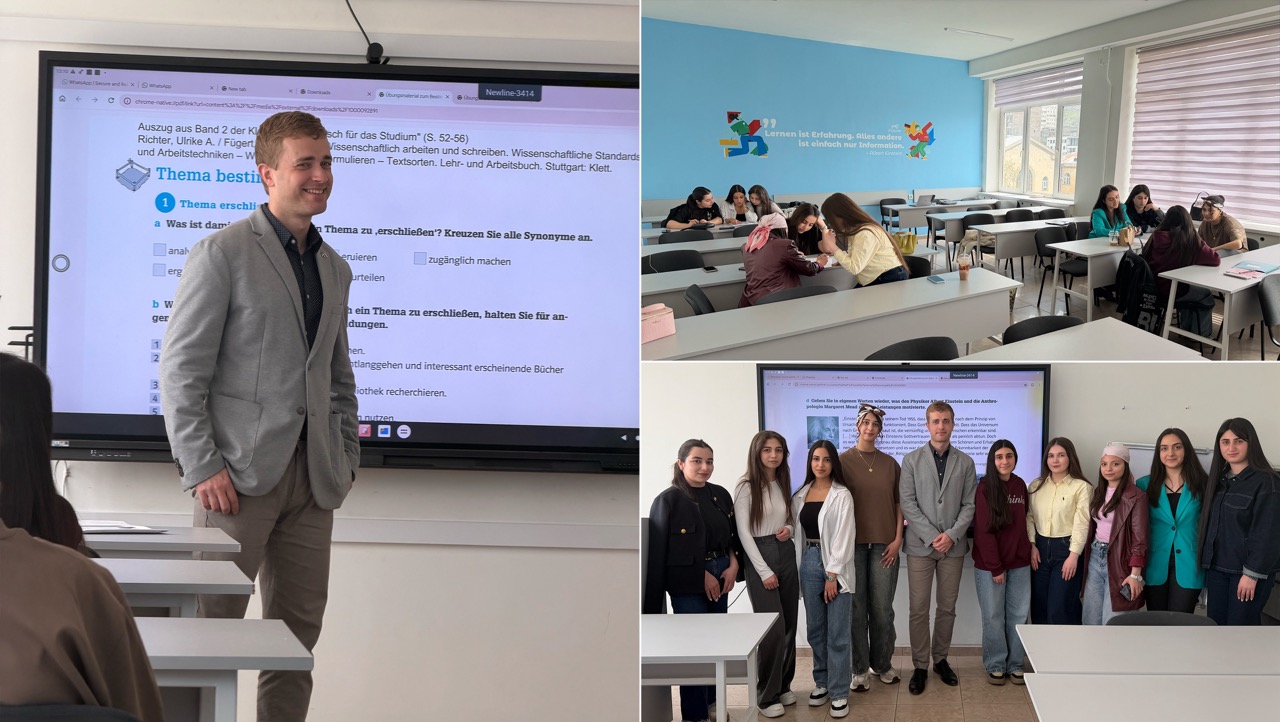
The students actively participated in the discussions and demonstrated a high level of preparation and interest in the topic. Throughout his visit, Dr. Kalaš was accompanied by Dr. Savoyan, head of the Department of German, with whom he discussed opportunities for systematic cooperation between the faculties.
The program also included a meeting with the dean of the faculty, Assoc. Prof. Yaghubyan, during which they discussed future joint research projects, student and faculty exchange programs, and expanding cooperation between the two faculties.
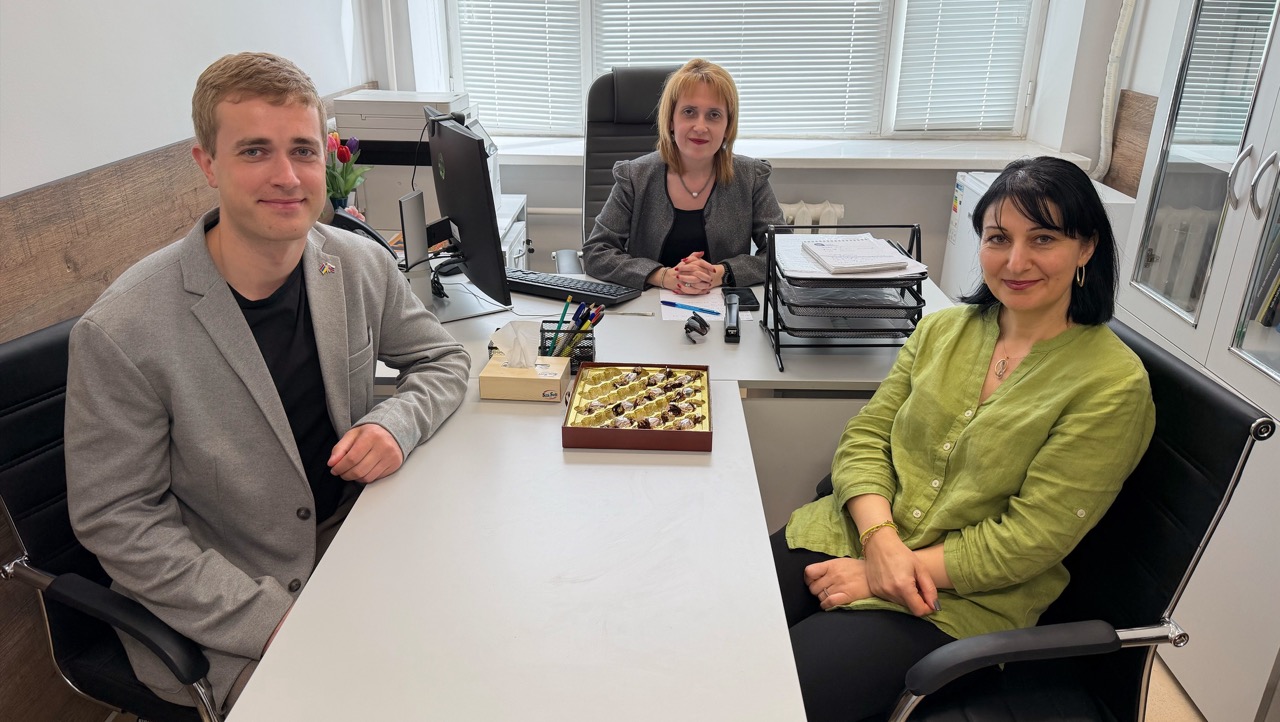
Dr. Kalaš was also invited to participate in an international conference that the faculty in Yerevan will organize in the fall of 2026, opening up further opportunities to present research and strengthen academic ties.
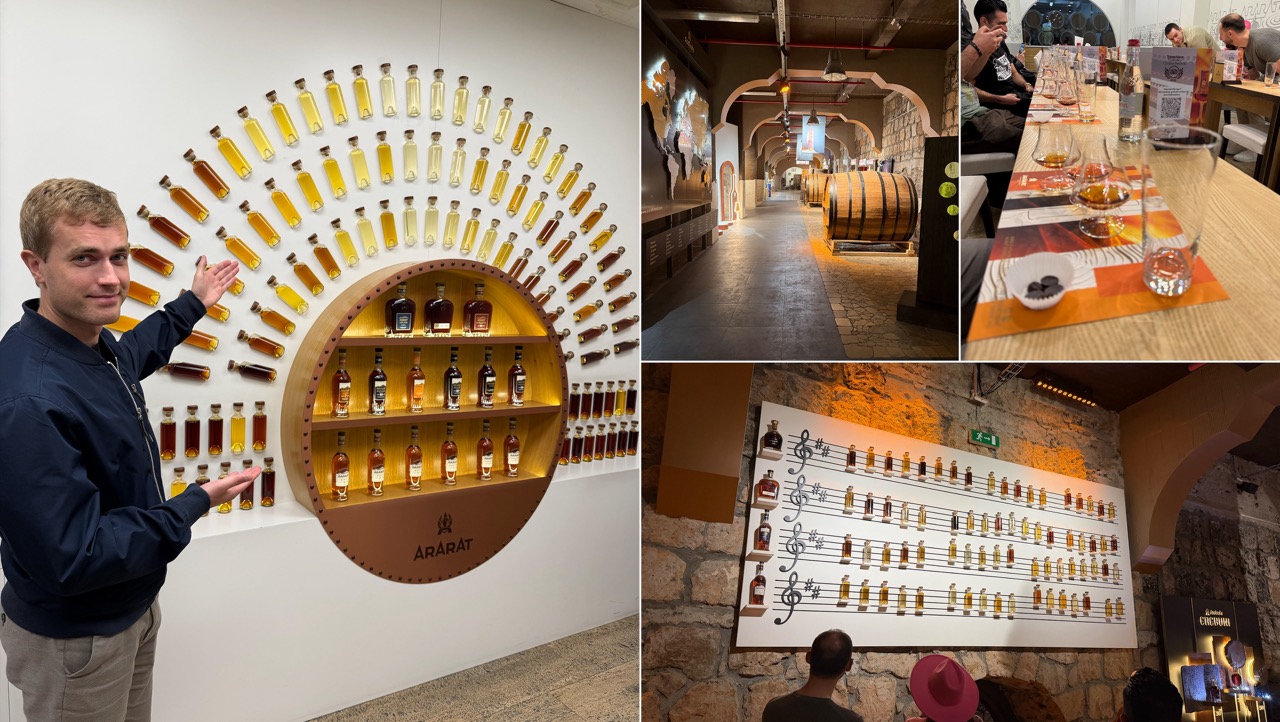
The mobility program also had significant cultural benefits. Dr. Kalaš visited several interesting sites in Yerevan, such as the Ararat Museum, which highlights the symbolic significance of Mount Ararat for Armenian identity and historical memory. The visit also included a tasting of local products and a presentation on the tradition of brandy production.
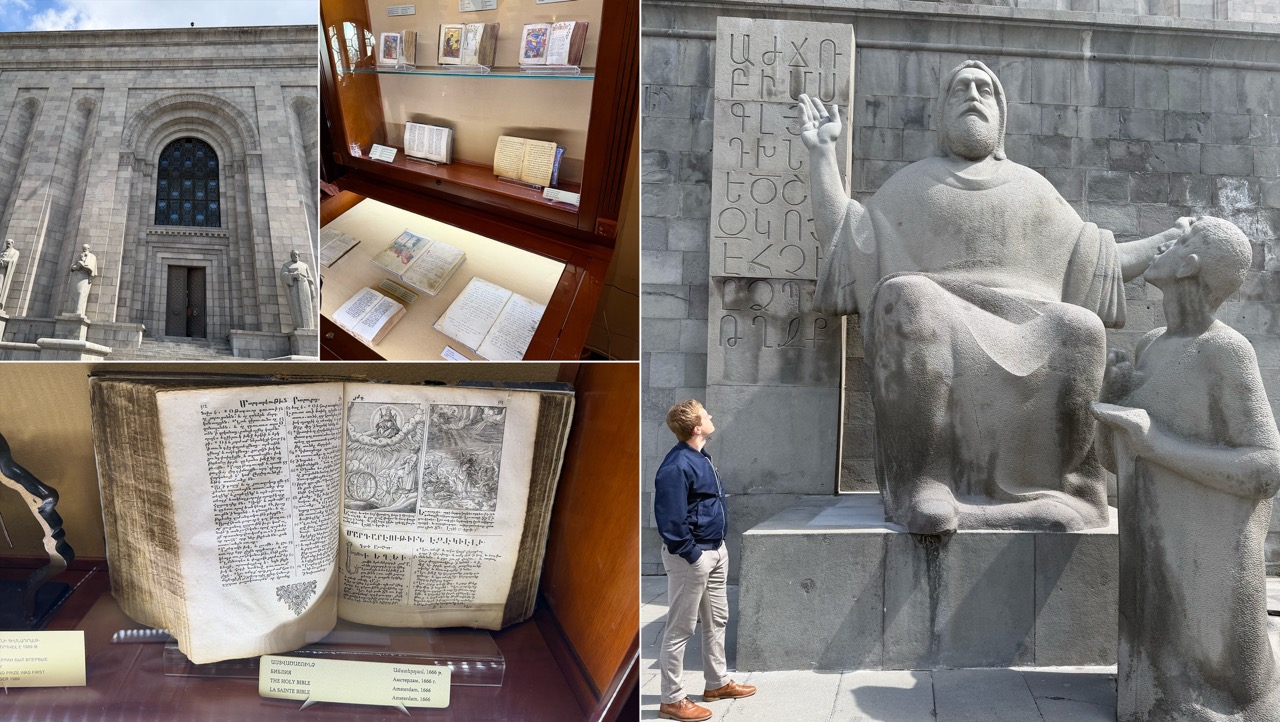
Another highlight was a visit to Matenadaran—the world-renowned museum of ancient manuscripts, which houses unique collections of Armenian and foreign historical documents and serves as an important center for research into written heritage.
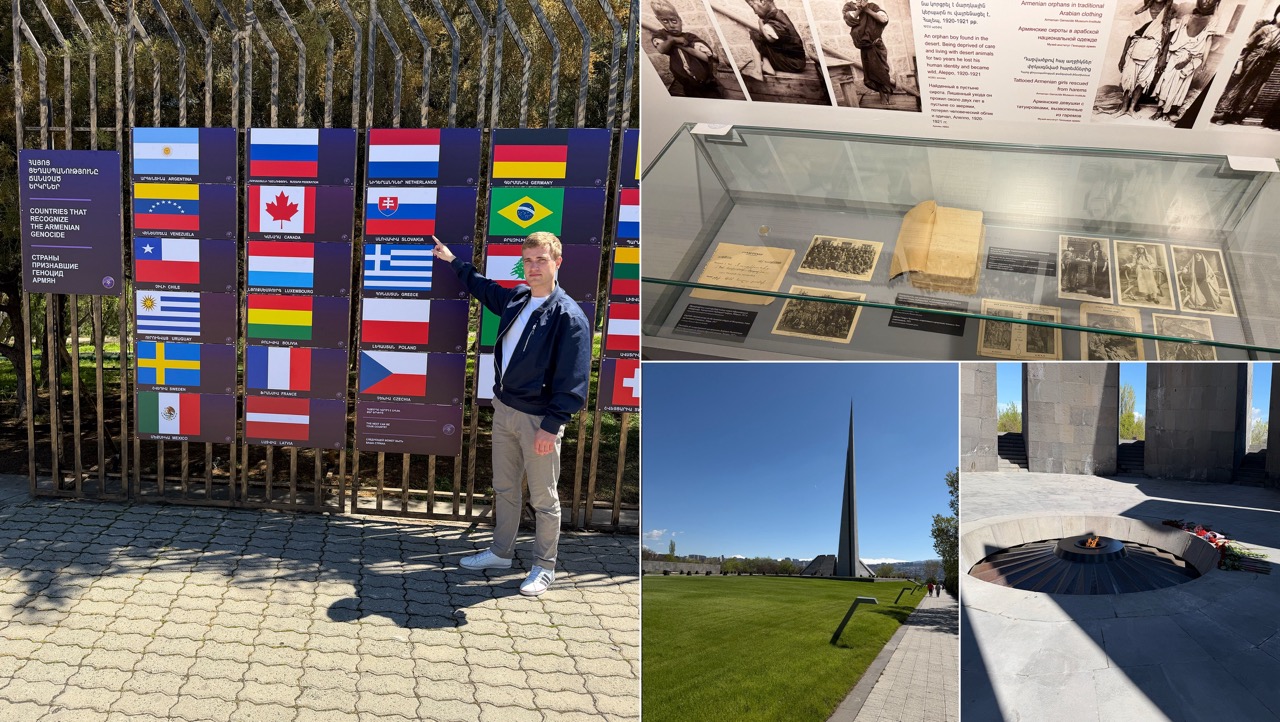
Dr. Kalaš also visited the Armenian Genocide Memorial at the Tsitsernakaberd complex, which stands as a symbol of the Armenian people’s historical memory. The Slovak Republic is among the countries that have officially recognized this genocide, which lends this visit a broader international and historical dimension.
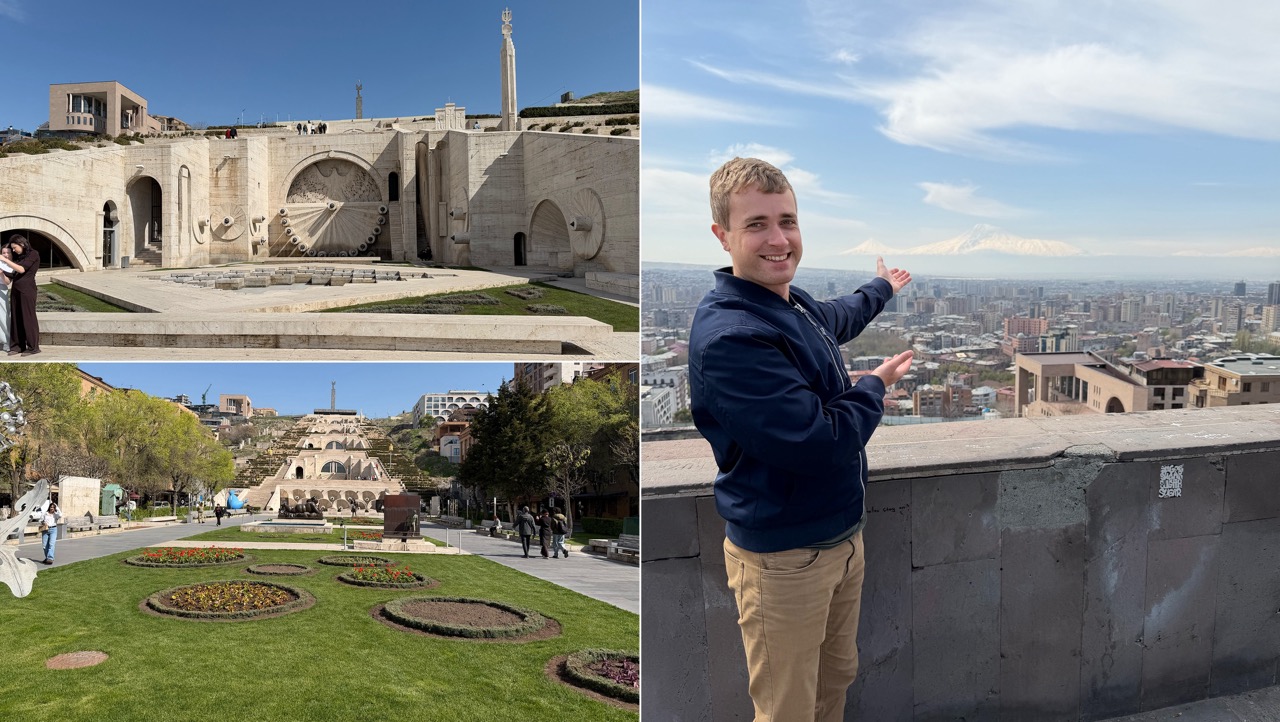
Among Yerevan’s most notable architectural landmarks is the monumental Yerevan Cascade, a vast staircase complex connecting the city center with the higher-lying areas. It is a unique urban and cultural space that combines modern art, views of the city, and the panorama of Mount Ararat.
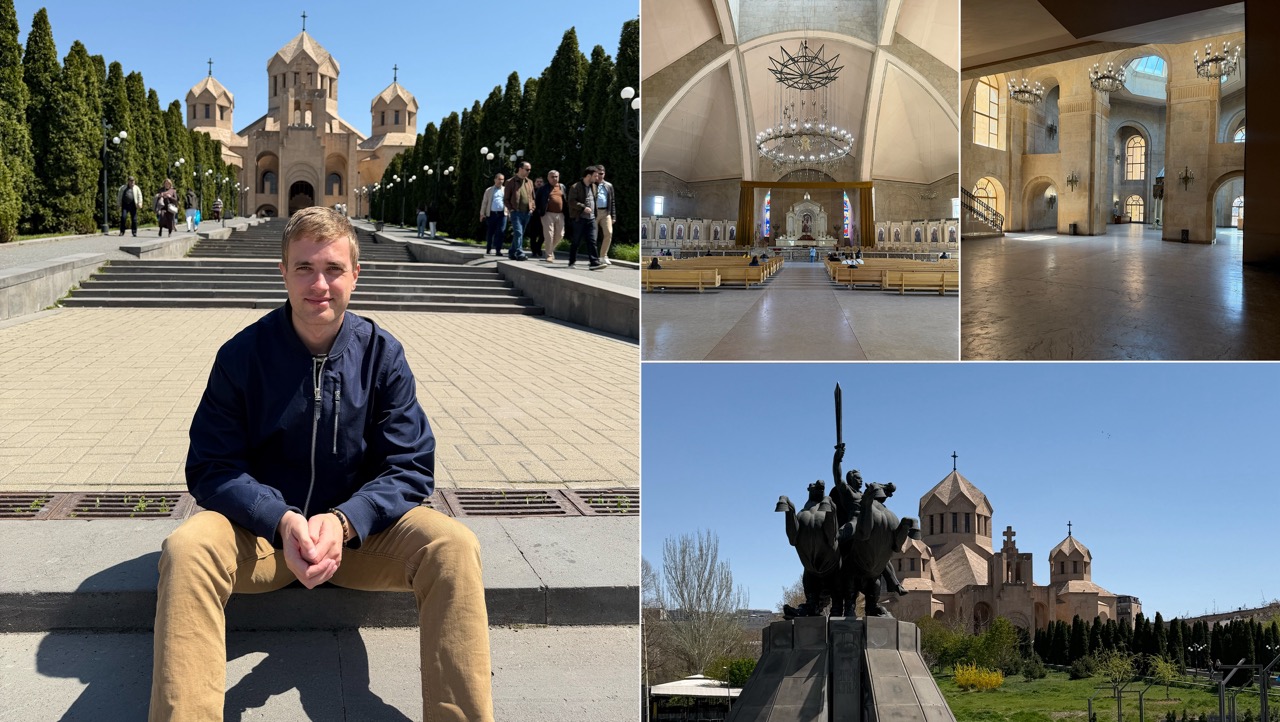
In the city center, he also visited the Cathedral of Saint Gregory the Illuminator, one of the largest Armenian Apostolic cathedrals in the world, which symbolizes Armenia’s Christian tradition as one of the oldest Christian nations.
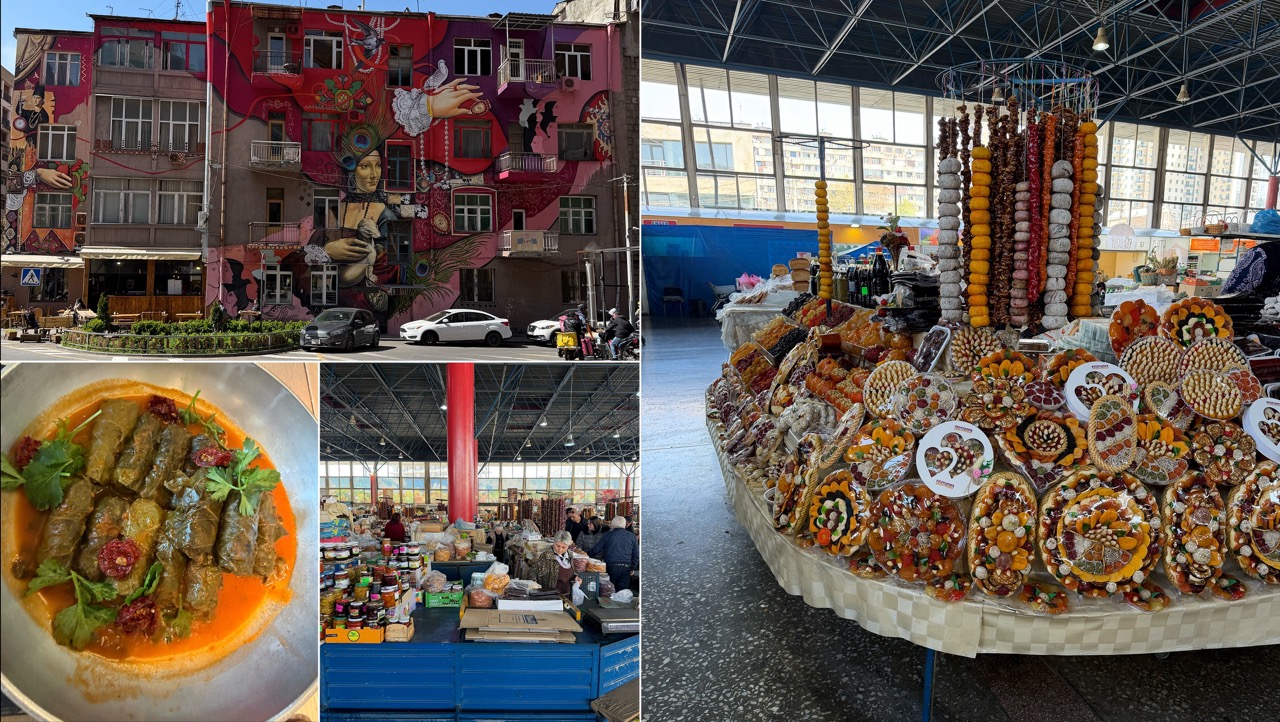
The cultural program also included a tasting of traditional Armenian cuisine, which blends Middle Eastern influences with local ingredients and long-standing culinary traditions. The city’s atmosphere was further enhanced by a traditional market featuring dried fruits and spices, reflecting the region’s hospitality and commercial history.
Teacher mobility thus brought not only pedagogical and scientific exchange but also a deeper understanding of the country’s cultural and historical context, thereby strengthening the foundations for long-term academic cooperation between the two institutions.