Six European Universities, 50+ Students and an Exciting New Approach to Market Research
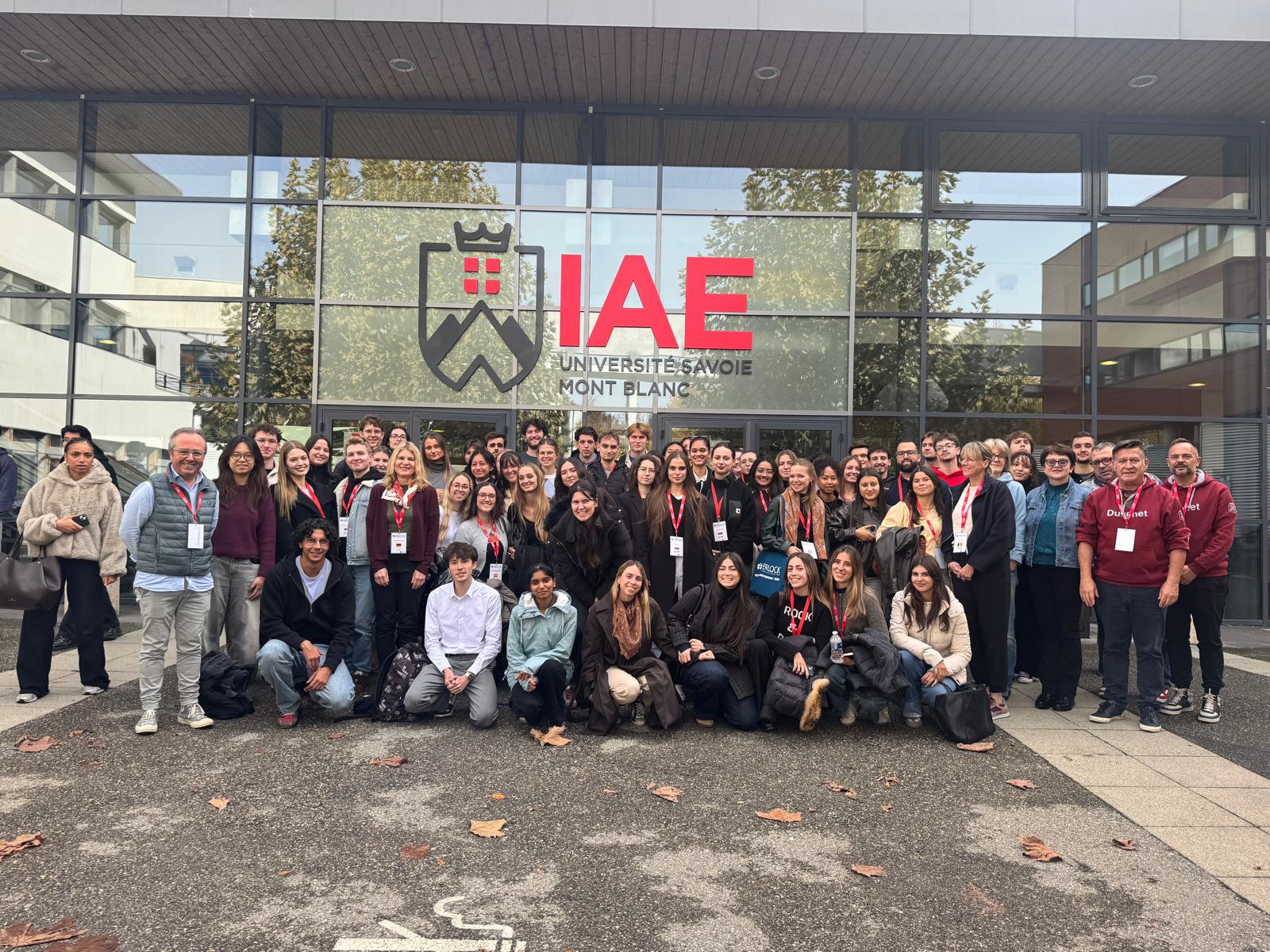
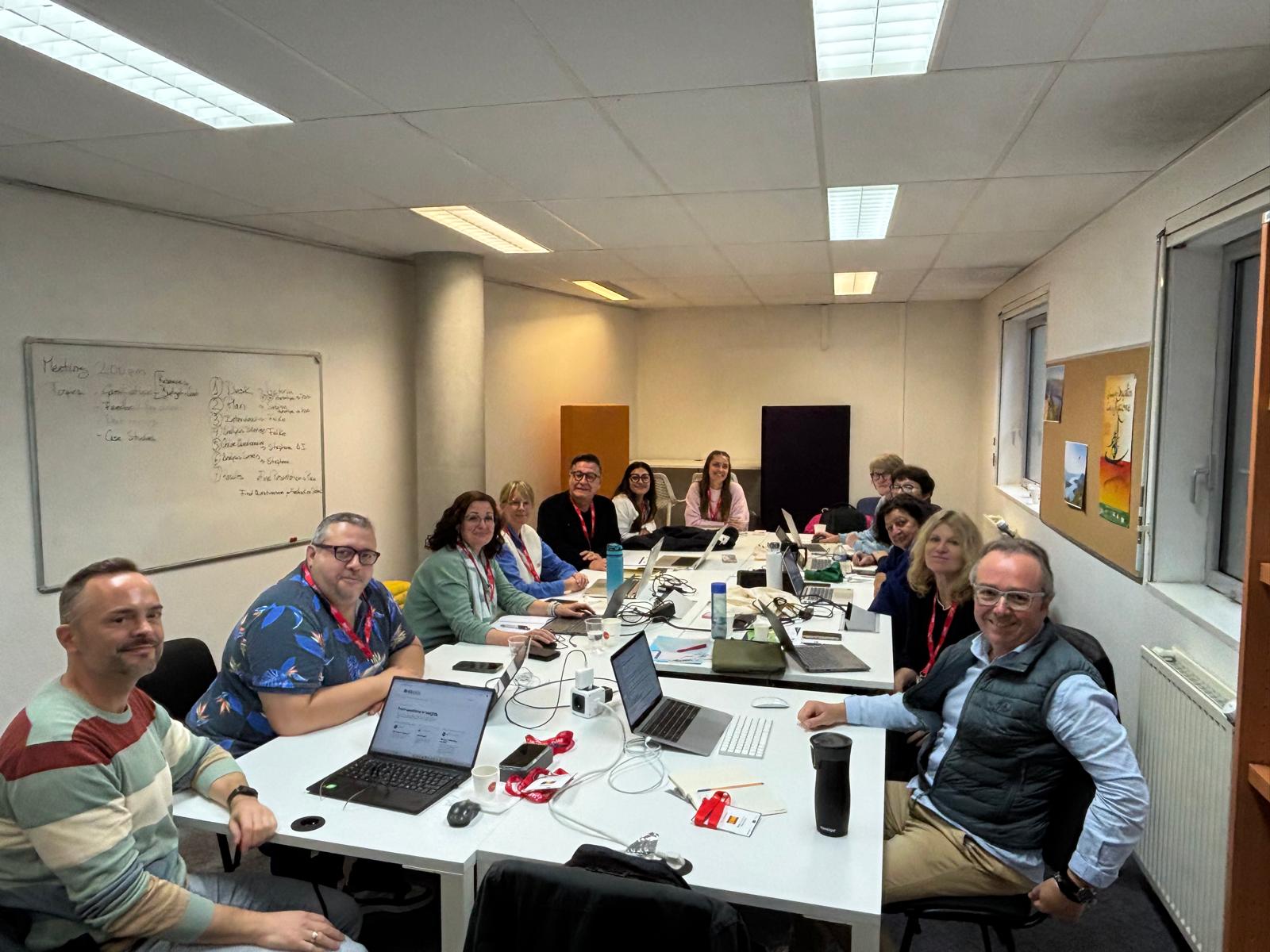
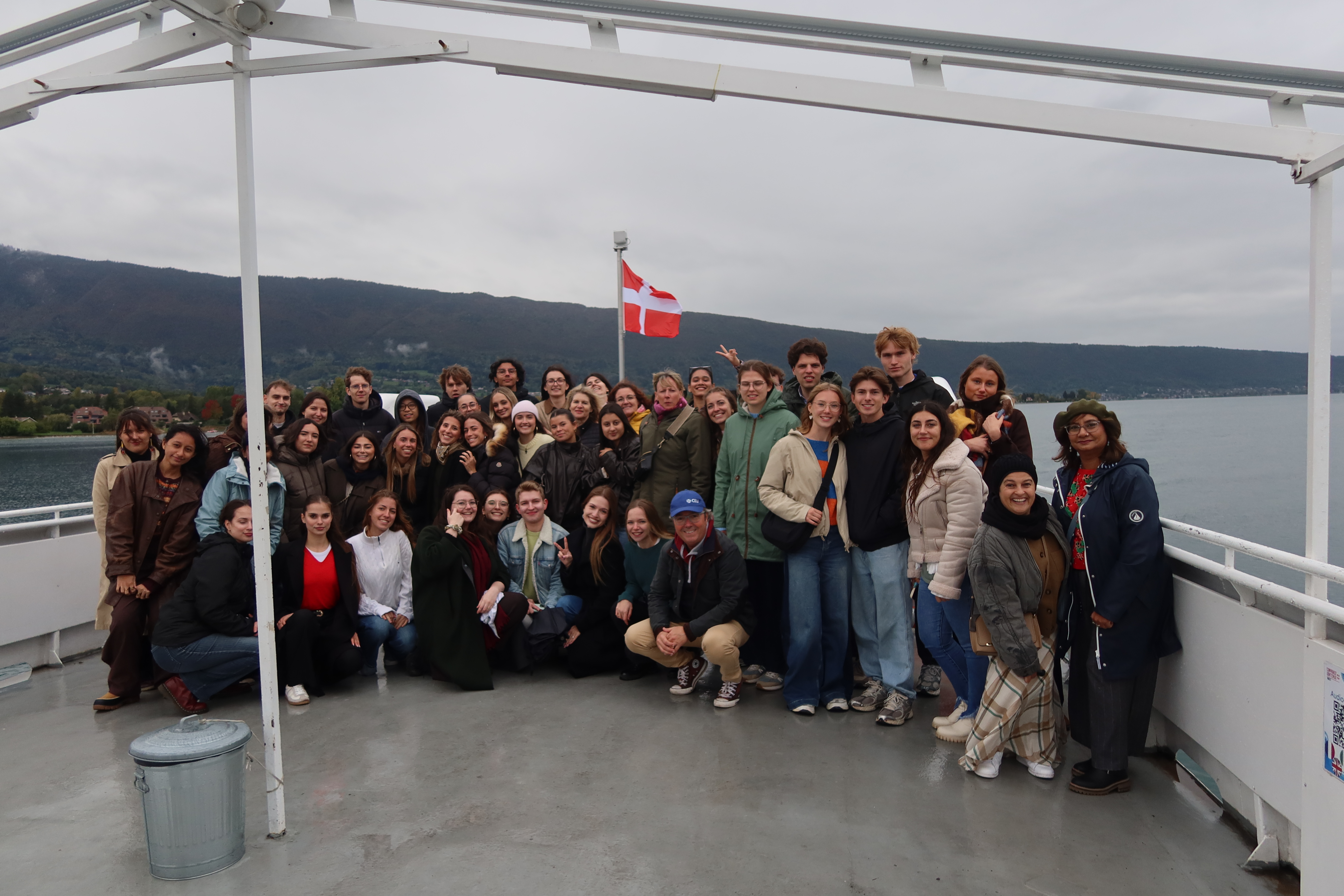
What happens when more than 50 students and 12 professors from six European universities join forces to transform the way market research is taught? SHERLOCK comes to life. From 19 to 23 October 2026, Université Savoie Mont Blanc in Annecy, France, hosted the first Learning, Teaching and Training Activity (LTTA) of the Erasmus+ SHERLOCK project, marking an exciting milestone in the development of an innovative educational simulation game. The five-day international programme brought together students and academics from six partner universities to test the first pilot version of the SHERLOCK simulation game, designed to make market research methodology more interactive, engaging and practically relevant.
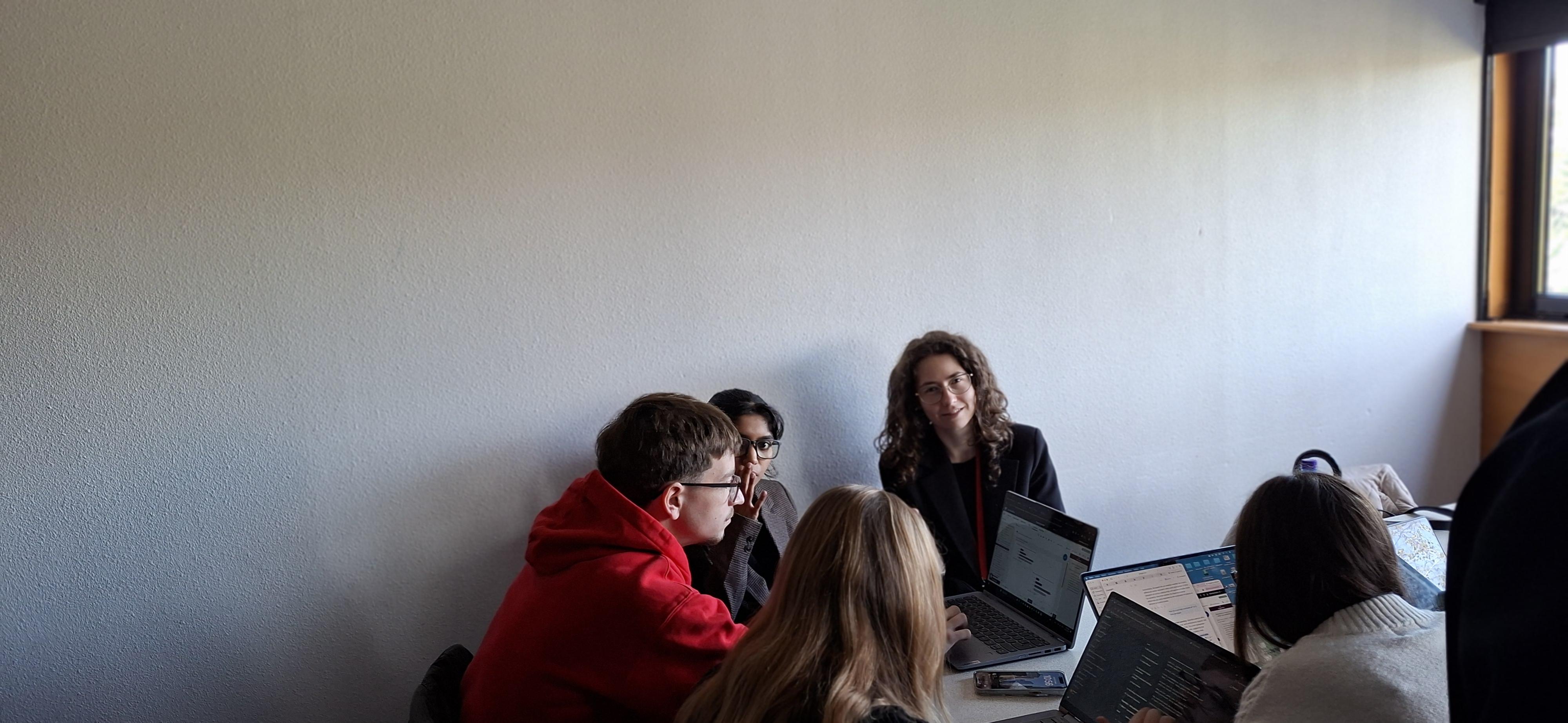
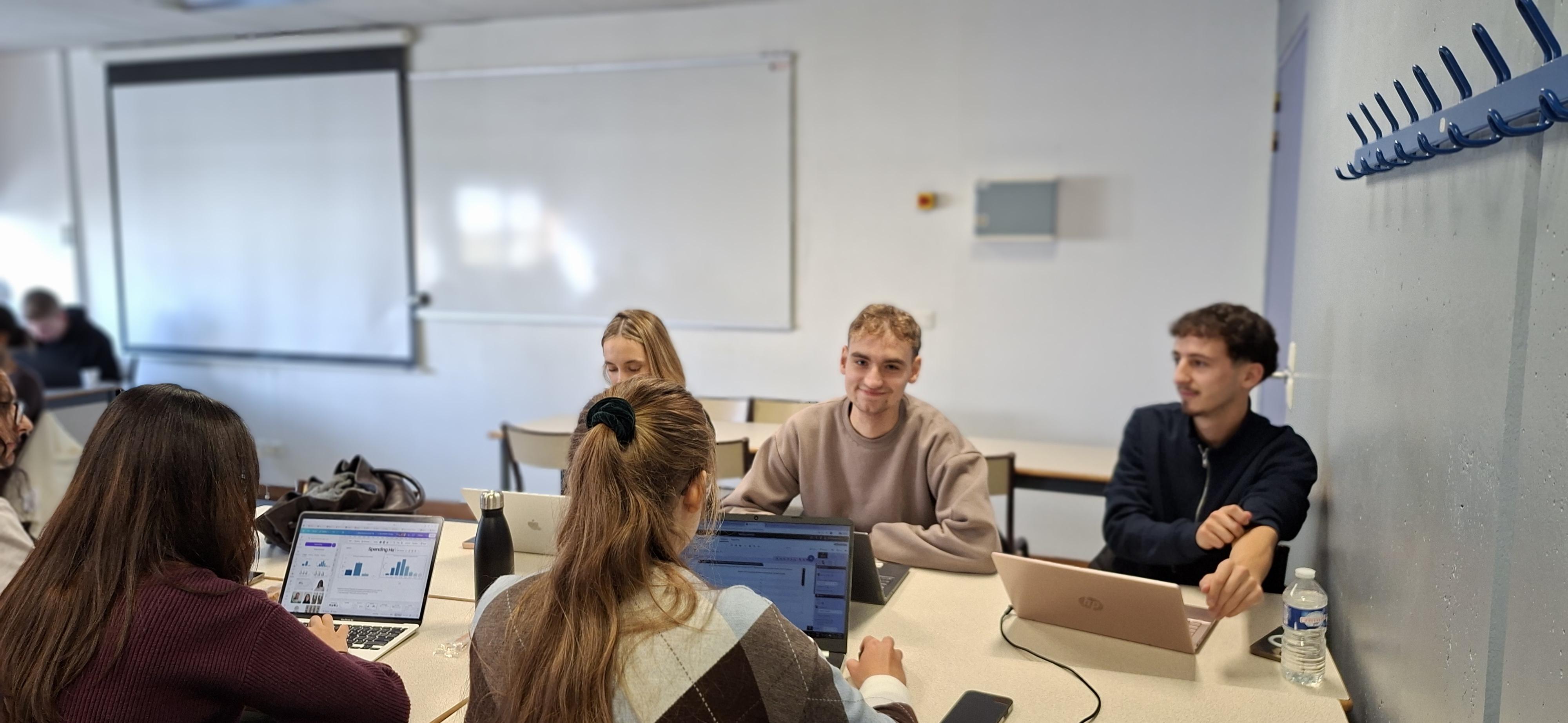
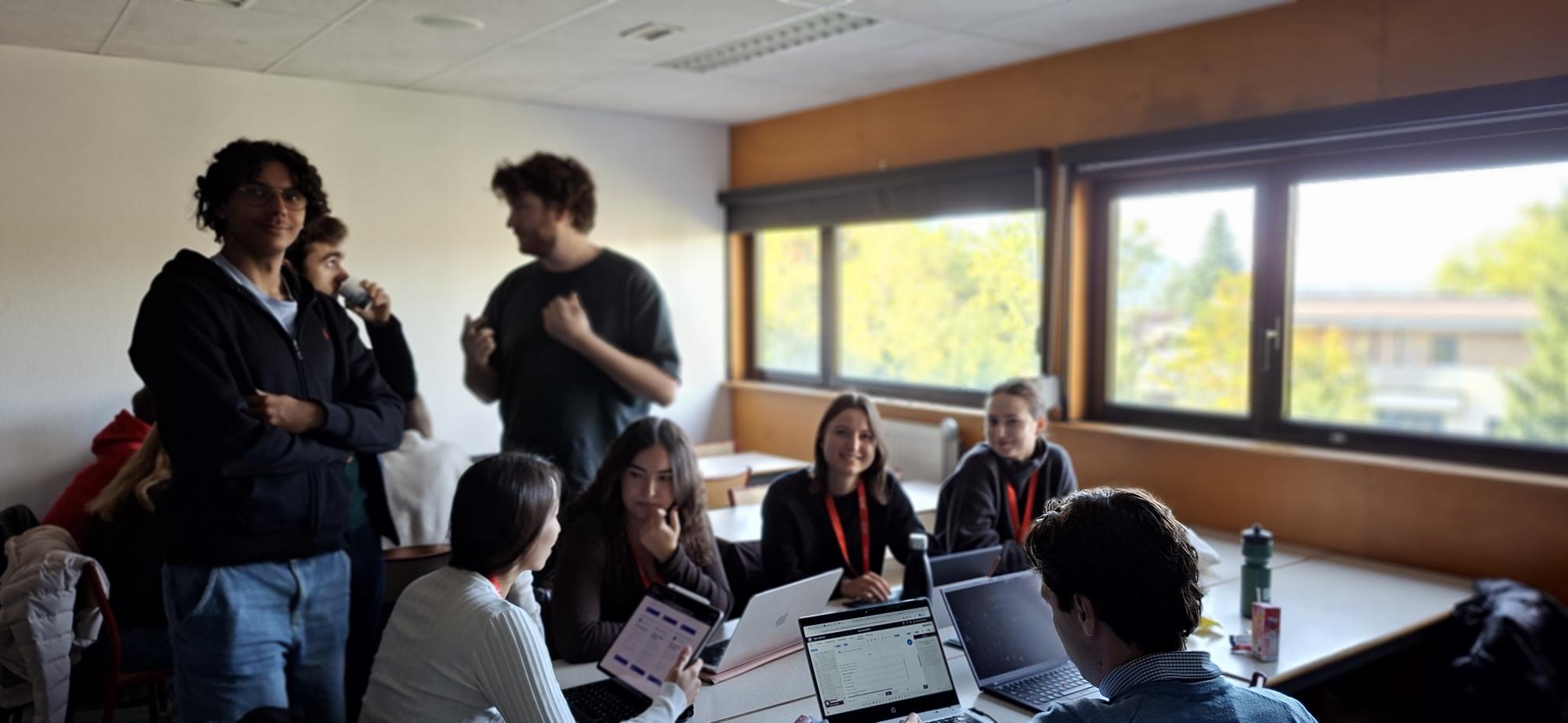
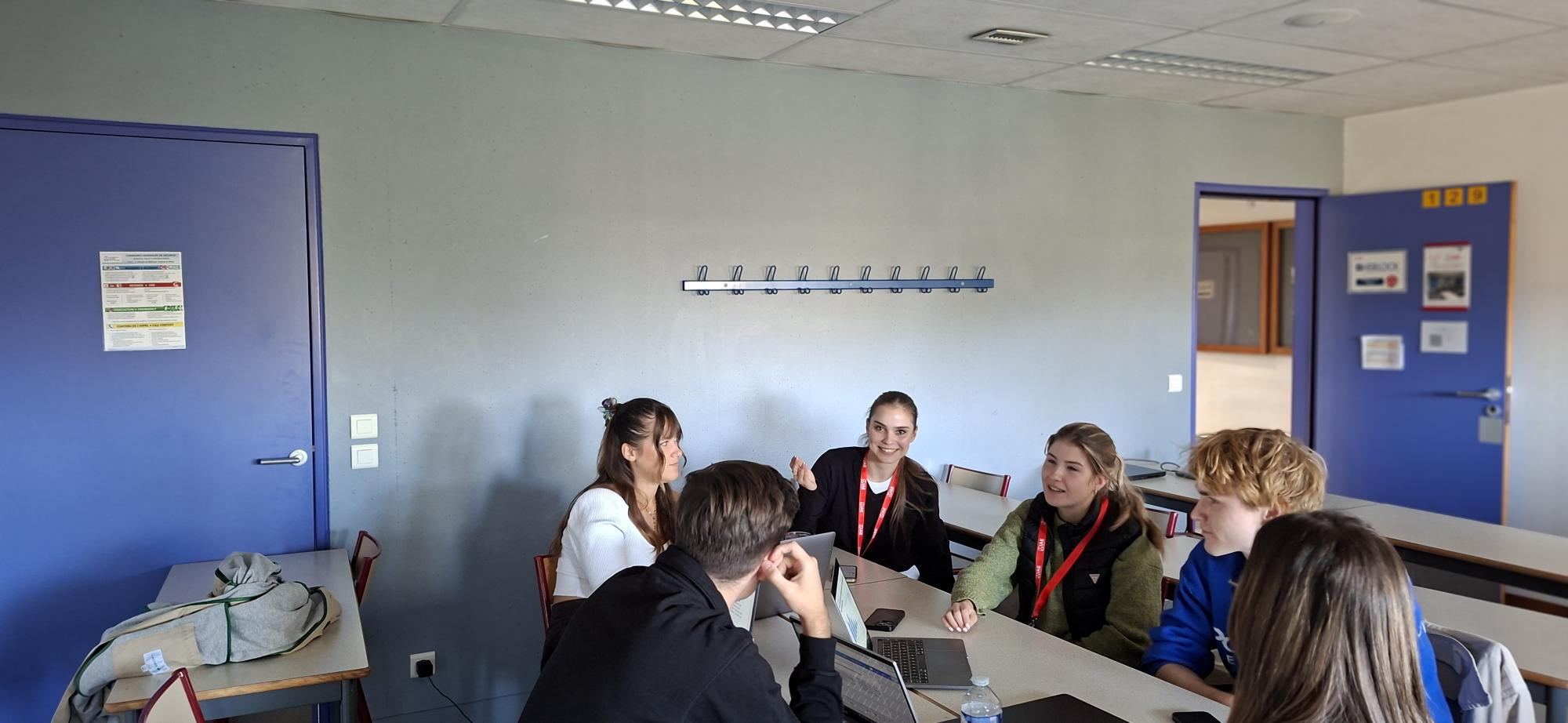
At the heart of the programme was an authentic business challenge involving KIPSTA, a sports brand specialising in football equipment. Working in international teams, students stepped into the roles of market researchers, developing research questions, designing research strategies, conducting qualitative research and creating questionnaires. A key innovation was the integration of SPHINX, a professional tool for quantitative research and data analysis, enabling participants to experience the entire research process through a combination of gamification, digital technology and hands-on learning.
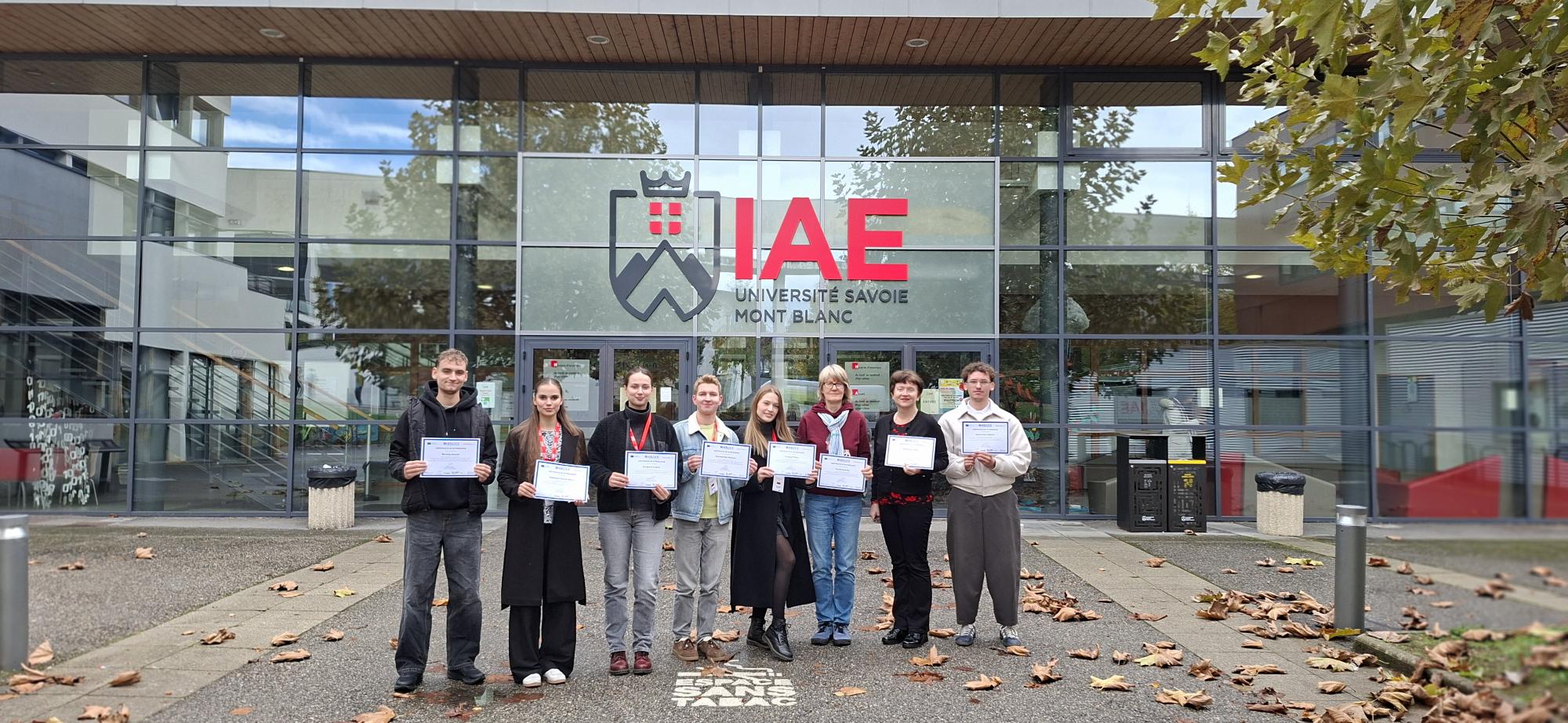
The Faculty of Applied Languages at the Bratislava University of Economics and Business (EUBA) was represented by seven motivated students: Andrea Ďuríčková, Daniela Mária Šebeňová, Maksym Shynkarenko, Samuel Škultéty, Polina Taryanyk, Katarína Králiková and Maksim Beskurnikov. Ildikó Némethová, Vice-Dean for International Relations, and Eva Stradiotová, Vice-Dean for Education, led the Slovak delegation. Throughout the programme, students collaborated with international peers, exchanged perspectives, and strengthened their research, analytical, teamwork, and intercultural communication skills.
The key takeaway? Research methodology becomes more meaningful when students learn by doing, collaborate across borders and experience how data-driven decisions work in practice. The LTTA in Annecy demonstrated the potential of combining gamification, authentic business cases, digital research tools and international teamwork to transform higher education.
For FAJ EUBA, participation represents another important step in promoting innovative teaching, international cooperation and the development of future-ready graduates. SHERLOCK is more than a simulation game. It is a journey from curiosity to discovery, from research questions to evidence-based decisions, and from individual learning to international collaboration.
The SHERLOCK project is co-funded by the European Union through the Erasmus+ programme